Buy 1c2.eu ?
We are moving the project
1c2.eu .
Are you interested in purchasing the domain
1c2.eu ?
domain@kv-gmbh.de · 0541-91531010
Buy 1c2.eu ?
What is a relief etching?
A relief etching is a printmaking technique where an image is created by selectively removing material from a plate. The remaining raised areas hold the ink and transfer the image onto paper when pressure is applied. This process allows for intricate details and textures to be captured in the final print. Relief etching is commonly used in creating illustrations, decorative prints, and fine art pieces. **
Which acid is capable of etching stone?
Hydrochloric acid is capable of etching stone. When in contact with stone surfaces such as marble or limestone, hydrochloric acid can react with the minerals in the stone, causing it to dissolve and create etch marks. It is important to handle hydrochloric acid with caution and follow safety guidelines when using it to avoid damaging the stone or causing harm to oneself. **

Similar search terms for Etching
Top-Angebote
Products related to Etching:


-
How does etching noodles affect aluminum foil?
Etching noodles on aluminum foil can create a chemical reaction that can damage the foil. The acidic nature of the noodles can cause the aluminum to break down and potentially transfer harmful substances onto the food. This can affect the taste and safety of the food being cooked on the foil. It is recommended to avoid etching noodles on aluminum foil and instead use a non-reactive material like parchment paper. **
-
Reenactment of the explanation of photo etching.
Photo etching is a process used to create intricate metal parts by using a photoresist and chemical etching. In the reenactment, a photoresist film is applied to a metal sheet and then exposed to UV light through a photographic negative. The exposed areas harden while the unexposed areas remain soft. The soft areas are then washed away, leaving behind a stencil of the desired part. The metal sheet is then submerged in an etching solution, which eats away at the exposed metal, leaving behind the intricate part. This process allows for high precision and detail in the final metal part. **
-
What is the difference between etching and novel?
Etching is a printmaking technique in which an image is created on a metal plate using acid, while a novel is a work of fiction that tells a story through prose. Etching is a visual art form that creates images through a chemical process, while a novel is a literary art form that uses language to convey a narrative. Etching is a form of visual expression, while a novel is a form of written expression. Both etching and novels are creative forms of art, but they differ in their medium and method of storytelling. **
-
What is a payroll accounting?
Payroll accounting is the process of recording and managing a company's financial transactions related to employee compensation. This includes calculating and recording wages, salaries, bonuses, and deductions, as well as managing payroll taxes and other withholdings. Payroll accounting also involves ensuring compliance with labor laws and regulations, and providing accurate financial reports related to employee compensation. Overall, payroll accounting is essential for maintaining accurate and transparent financial records related to employee compensation within an organization. **


What are the best acids for etching steel-hard materials?
The best acids for etching steel-hard materials are hydrochloric acid (HCl) and sulfuric acid (H2SO4). These acids are strong enough to effectively etch steel and other hard materials, creating precise and detailed designs. It is important to use these acids with caution and follow proper safety protocols when etching steel-hard materials. Additionally, a mixture of nitric acid (HNO3) and hydrochloric acid (HCl), known as aqua regia, can also be used for etching particularly resistant materials. **
Who could be the artist of the etching? Thank you.
The artist of the etching could be determined by examining the style, technique, and subject matter of the artwork. Additionally, the signature or any other identifying marks on the etching could provide clues to the artist's identity. If the etching is part of a known series or collection, researching the history of the artwork could also help in identifying the artist. Consulting art experts or conducting further research on the piece may also lead to determining the artist of the etching. **
Top-Angebote
Products related to Etching:
-
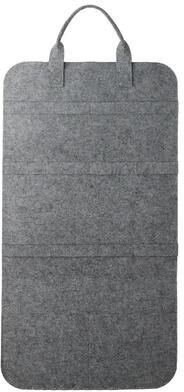
Uplifted Finds Vertical Toy Inventory Management Module grayOptimize your pets engagement ecosystem with the Vertical ToyInventory Module, a professionalgrade organization system engineered with spatialefficiency logic. This highutility module features a multitier felt architecture specifically designed to...92,97 $*Shipping: 0,00 $Secure redirect to the provider
-
What is a relief etching?
A relief etching is a printmaking technique where an image is created by selectively removing material from a plate. The remaining raised areas hold the ink and transfer the image onto paper when pressure is applied. This process allows for intricate details and textures to be captured in the final print. Relief etching is commonly used in creating illustrations, decorative prints, and fine art pieces. **
-
Which acid is capable of etching stone?
Hydrochloric acid is capable of etching stone. When in contact with stone surfaces such as marble or limestone, hydrochloric acid can react with the minerals in the stone, causing it to dissolve and create etch marks. It is important to handle hydrochloric acid with caution and follow safety guidelines when using it to avoid damaging the stone or causing harm to oneself. **
-
How does etching noodles affect aluminum foil?
Etching noodles on aluminum foil can create a chemical reaction that can damage the foil. The acidic nature of the noodles can cause the aluminum to break down and potentially transfer harmful substances onto the food. This can affect the taste and safety of the food being cooked on the foil. It is recommended to avoid etching noodles on aluminum foil and instead use a non-reactive material like parchment paper. **
-
Reenactment of the explanation of photo etching.
Photo etching is a process used to create intricate metal parts by using a photoresist and chemical etching. In the reenactment, a photoresist film is applied to a metal sheet and then exposed to UV light through a photographic negative. The exposed areas harden while the unexposed areas remain soft. The soft areas are then washed away, leaving behind a stencil of the desired part. The metal sheet is then submerged in an etching solution, which eats away at the exposed metal, leaving behind the intricate part. This process allows for high precision and detail in the final metal part. **
Similar search terms for Etching
-
What is the difference between etching and novel?
Etching is a printmaking technique in which an image is created on a metal plate using acid, while a novel is a work of fiction that tells a story through prose. Etching is a visual art form that creates images through a chemical process, while a novel is a literary art form that uses language to convey a narrative. Etching is a form of visual expression, while a novel is a form of written expression. Both etching and novels are creative forms of art, but they differ in their medium and method of storytelling. **
-
What is a payroll accounting?
Payroll accounting is the process of recording and managing a company's financial transactions related to employee compensation. This includes calculating and recording wages, salaries, bonuses, and deductions, as well as managing payroll taxes and other withholdings. Payroll accounting also involves ensuring compliance with labor laws and regulations, and providing accurate financial reports related to employee compensation. Overall, payroll accounting is essential for maintaining accurate and transparent financial records related to employee compensation within an organization. **
-
What are the best acids for etching steel-hard materials?
The best acids for etching steel-hard materials are hydrochloric acid (HCl) and sulfuric acid (H2SO4). These acids are strong enough to effectively etch steel and other hard materials, creating precise and detailed designs. It is important to use these acids with caution and follow proper safety protocols when etching steel-hard materials. Additionally, a mixture of nitric acid (HNO3) and hydrochloric acid (HCl), known as aqua regia, can also be used for etching particularly resistant materials. **
-
Who could be the artist of the etching? Thank you.
The artist of the etching could be determined by examining the style, technique, and subject matter of the artwork. Additionally, the signature or any other identifying marks on the etching could provide clues to the artist's identity. If the etching is part of a known series or collection, researching the history of the artwork could also help in identifying the artist. Consulting art experts or conducting further research on the piece may also lead to determining the artist of the etching. **
* All prices are inclusive of VAT and, if applicable, plus shipping costs. The offer information is based on the details provided by the respective shop and is updated through automated processes. Real-time updates do not occur, so deviations can occur in individual cases. ** Note: Parts of this content were created by AI.