Buy 1c2.eu ?
We are moving the project
1c2.eu .
Are you interested in purchasing the domain
1c2.eu ?
domain@kv-gmbh.de · 0541-91531010
Buy 1c2.eu ?
Why is oxalic acid solid?
Oxalic acid is solid at room temperature because it forms a crystalline structure due to the arrangement of its molecules. The molecules of oxalic acid are held together by intermolecular forces such as hydrogen bonding, which gives it a solid form. Additionally, oxalic acid has a relatively high melting point, around 189°C, which contributes to its solid state at room temperature. **
Does golden millet contain oxalic acid?
Yes, golden millet does contain oxalic acid. Oxalic acid is a natural compound found in many plants, including millet. It is known to bind with minerals in the body, potentially inhibiting their absorption. However, the levels of oxalic acid in millet are not considered to be high enough to cause health concerns for most people when consumed in moderation. **

Similar search terms for Oxalic
Top-Angebote
Products related to Oxalic:
-
Uplifted Finds Avian Mimic Enrichment Inventory (9 Unit Hub) Avian Mimic Enrichment Inventory (9 Unit Hub)Optimize your pet's physical agility and predatory tracking with the AvianMimic Enrichment Inventory, a professionalgrade interactive system engineered with highfrequency kinetic logic. This highutility 9piece replacement hub features a specialized...40,97 $*Shipping: 0,00 $Secure redirect to the provider
-
Simon & Schuster Money: A Story of Humanity by David McWilliams Economic History & Global Finance ExplainedIn Money: A Story of Humanity, renowned economist David McWilliams explores the fascinating history of money — not just as currency, but as a powerful force that has shaped human civilisation, relationships, technology, and global society. From ancient barter systems to cryptocurrency revolutions, McWilliams reveals how money reflects our values, ambitions, fears, politics, and culture.Rich with storytelling, sharp insights, and humour, this book makes complex economic ideas accessible, engaging, and deeply human. Perfect for readers who enjoy exploring how history, psychology, markets, and power intersect, Money: A Story of Humanity provides a fresh, eye-opening look at how money drives — and is driven by — human behaviour. Ideal for fans of Yuval Noah Harari, Tim Harford, Niall Ferguson, and Mary Beard.7,99 £*Shipping: 2,99 £Secure redirect to the provider
-
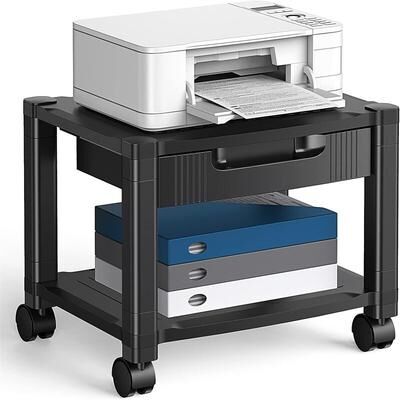
APC NetShelter Cable Management Arm AR8129Cable management arm designed for APC NetShelter and Smart-UPS enclosures, measuring 45.7 cm length with compact profile. Lightweight at 0.5 kg, compatible with 30+ APC equipment models. Includes 2-year warranty.177,49 £*Shipping: 0,00 £Secure redirect to the provider



-
What are the properties of oxalic acid?
Oxalic acid is a colorless, crystalline solid that is highly acidic. It is soluble in water and alcohol, and its chemical formula is (COOH)2. Oxalic acid is a strong reducing agent and can react with metals to form metal oxalates. It is commonly found in many plants and vegetables, and is also used in various industrial processes such as cleaning and bleaching. However, oxalic acid is toxic and can be harmful if ingested or inhaled, so it should be handled with care. **
-
What is the oxalic acid content in carrots?
Carrots do not contain oxalic acid. Instead, they contain other beneficial compounds such as beta-carotene, fiber, and various vitamins and minerals. Oxalic acid is commonly found in foods like spinach, rhubarb, and beets. **
-
How can one neutralize oxalic acid in food?
One way to neutralize oxalic acid in food is by adding a calcium-containing ingredient, such as milk or cheese, to the dish. The calcium will bind to the oxalic acid, forming calcium oxalate, which is less harmful to the body. Another method is to cook the food, as heat can break down oxalic acid. Additionally, consuming foods high in magnesium, such as spinach, can help to counteract the effects of oxalic acid. **
-
How can oxalic acid be neutralized by steaming?
Oxalic acid can be neutralized by steaming by exposing it to high temperatures, which causes it to break down and lose its acidic properties. When oxalic acid is heated, it undergoes thermal decomposition, resulting in the formation of carbon dioxide and water. This process effectively neutralizes the acid, making it safe for handling and disposal. Steaming is a gentle and effective method for neutralizing oxalic acid without the need for additional chemicals or complicated procedures. **

What happens when oxalic acid reacts with water?
When oxalic acid reacts with water, it undergoes a dissociation reaction, breaking down into its constituent ions. The oxalic acid molecule (C2H2O4) dissociates into oxalate ions (C2O4^2-) and hydrogen ions (H+). This reaction increases the concentration of these ions in the solution, making it acidic. Therefore, the overall result of the reaction is the formation of an acidic solution containing oxalate and hydrogen ions. **
What is the molar concentration of oxalic acid?
The molar concentration of oxalic acid can be calculated using the formula: Molar concentration (M) = moles of solute / volume of solution in liters. First, determine the moles of oxalic acid by dividing the mass of oxalic acid by its molar mass. Then, divide the moles of oxalic acid by the volume of the solution in liters to obtain the molar concentration. For example, if 0.1 moles of oxalic acid are dissolved in 1 liter of solution, the molar concentration would be 0.1 M. **
Top-Angebote
Products related to Oxalic:
-
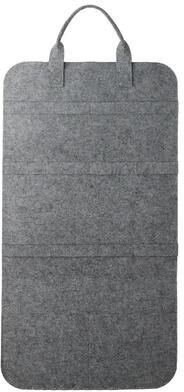
Uplifted Finds Vertical Toy Inventory Management Module grayOptimize your pets engagement ecosystem with the Vertical ToyInventory Module, a professionalgrade organization system engineered with spatialefficiency logic. This highutility module features a multitier felt architecture specifically designed to...92,97 $*Shipping: 0,00 $Secure redirect to the provider
-
Uplifted Finds Epidermal Sanitization Inventory (3 Pack Hub) Epidermal Sanitization Inventory (3 Pack Hub)Optimize your pets dermatological hygiene and ocular clarity with the Epidermal Sanitization Inventory, a professionalgrade maintenance system engineered with aqueouscleansing logic. This highutility 240unit logistics package features a specialized...111,97 $*Shipping: 0,00 $Secure redirect to the provider
-
Uplifted Finds Avian Mimic Enrichment Inventory (9 Unit Hub) Avian Mimic Enrichment Inventory (9 Unit Hub)Optimize your pet's physical agility and predatory tracking with the AvianMimic Enrichment Inventory, a professionalgrade interactive system engineered with highfrequency kinetic logic. This highutility 9piece replacement hub features a specialized...40,97 $*Shipping: 0,00 $Secure redirect to the provider
-
Simon & Schuster Money: A Story of Humanity by David McWilliams Economic History & Global Finance ExplainedIn Money: A Story of Humanity, renowned economist David McWilliams explores the fascinating history of money — not just as currency, but as a powerful force that has shaped human civilisation, relationships, technology, and global society. From ancient barter systems to cryptocurrency revolutions, McWilliams reveals how money reflects our values, ambitions, fears, politics, and culture.Rich with storytelling, sharp insights, and humour, this book makes complex economic ideas accessible, engaging, and deeply human. Perfect for readers who enjoy exploring how history, psychology, markets, and power intersect, Money: A Story of Humanity provides a fresh, eye-opening look at how money drives — and is driven by — human behaviour. Ideal for fans of Yuval Noah Harari, Tim Harford, Niall Ferguson, and Mary Beard.7,99 £*Shipping: 2,99 £Secure redirect to the provider
-
Why is oxalic acid solid?
Oxalic acid is solid at room temperature because it forms a crystalline structure due to the arrangement of its molecules. The molecules of oxalic acid are held together by intermolecular forces such as hydrogen bonding, which gives it a solid form. Additionally, oxalic acid has a relatively high melting point, around 189°C, which contributes to its solid state at room temperature. **
-
Does golden millet contain oxalic acid?
Yes, golden millet does contain oxalic acid. Oxalic acid is a natural compound found in many plants, including millet. It is known to bind with minerals in the body, potentially inhibiting their absorption. However, the levels of oxalic acid in millet are not considered to be high enough to cause health concerns for most people when consumed in moderation. **
-
What are the properties of oxalic acid?
Oxalic acid is a colorless, crystalline solid that is highly acidic. It is soluble in water and alcohol, and its chemical formula is (COOH)2. Oxalic acid is a strong reducing agent and can react with metals to form metal oxalates. It is commonly found in many plants and vegetables, and is also used in various industrial processes such as cleaning and bleaching. However, oxalic acid is toxic and can be harmful if ingested or inhaled, so it should be handled with care. **
-
What is the oxalic acid content in carrots?
Carrots do not contain oxalic acid. Instead, they contain other beneficial compounds such as beta-carotene, fiber, and various vitamins and minerals. Oxalic acid is commonly found in foods like spinach, rhubarb, and beets. **
Similar search terms for Oxalic
-
APC NetShelter Cable Management Arm AR8129Cable management arm designed for APC NetShelter and Smart-UPS enclosures, measuring 45.7 cm length with compact profile. Lightweight at 0.5 kg, compatible with 30+ APC equipment models. Includes 2-year warranty.177,49 £*Shipping: 0,00 £Secure redirect to the provider
-
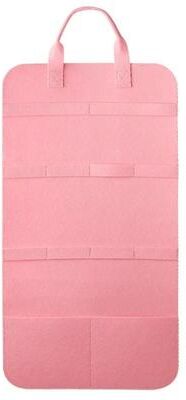
Uplifted Finds Vertical Toy Inventory Management Module pinkOptimize your pets engagement ecosystem with the Vertical ToyInventory Module, a professionalgrade organization system engineered with spatialefficiency logic. This highutility module features a multitier felt architecture specifically designed to...92,97 $*Shipping: 0,00 $Secure redirect to the provider
-
Uplifted Finds Vertical Toy Inventory Management Module greenOptimize your pets engagement ecosystem with the Vertical ToyInventory Module, a professionalgrade organization system engineered with spatialefficiency logic. This highutility module features a multitier felt architecture specifically designed to...92,97 $*Shipping: 0,00 $Secure redirect to the provider
-
How can one neutralize oxalic acid in food?
One way to neutralize oxalic acid in food is by adding a calcium-containing ingredient, such as milk or cheese, to the dish. The calcium will bind to the oxalic acid, forming calcium oxalate, which is less harmful to the body. Another method is to cook the food, as heat can break down oxalic acid. Additionally, consuming foods high in magnesium, such as spinach, can help to counteract the effects of oxalic acid. **
-
How can oxalic acid be neutralized by steaming?
Oxalic acid can be neutralized by steaming by exposing it to high temperatures, which causes it to break down and lose its acidic properties. When oxalic acid is heated, it undergoes thermal decomposition, resulting in the formation of carbon dioxide and water. This process effectively neutralizes the acid, making it safe for handling and disposal. Steaming is a gentle and effective method for neutralizing oxalic acid without the need for additional chemicals or complicated procedures. **
-
What happens when oxalic acid reacts with water?
When oxalic acid reacts with water, it undergoes a dissociation reaction, breaking down into its constituent ions. The oxalic acid molecule (C2H2O4) dissociates into oxalate ions (C2O4^2-) and hydrogen ions (H+). This reaction increases the concentration of these ions in the solution, making it acidic. Therefore, the overall result of the reaction is the formation of an acidic solution containing oxalate and hydrogen ions. **
-
What is the molar concentration of oxalic acid?
The molar concentration of oxalic acid can be calculated using the formula: Molar concentration (M) = moles of solute / volume of solution in liters. First, determine the moles of oxalic acid by dividing the mass of oxalic acid by its molar mass. Then, divide the moles of oxalic acid by the volume of the solution in liters to obtain the molar concentration. For example, if 0.1 moles of oxalic acid are dissolved in 1 liter of solution, the molar concentration would be 0.1 M. **
* All prices are inclusive of VAT and, if applicable, plus shipping costs. The offer information is based on the details provided by the respective shop and is updated through automated processes. Real-time updates do not occur, so deviations can occur in individual cases. ** Note: Parts of this content were created by AI.