Buy 1c2.eu ?
We are moving the project
1c2.eu .
Are you interested in purchasing the domain
1c2.eu ?
domain@kv-gmbh.de · 0541-91531010
Buy 1c2.eu ?
What does weighting mean?
Weighting refers to the process of assigning different levels of importance or influence to different items in a set of data. This can be done to account for the relative significance of different factors or to adjust for bias in a sample. Weighting is commonly used in statistical analysis and survey research to ensure that the results accurately represent the population being studied. It involves multiplying each data point by a specific factor to reflect its relative importance in the overall analysis. **
What is the weighting in Excel?
In Excel, weighting refers to assigning different levels of importance or influence to certain data points or variables. This is typically done by multiplying each data point by a specific weight or factor before aggregating the results. Weighting allows users to give more significance to certain data points in their analysis, helping to better reflect the true impact of those variables on the overall outcome. **

Similar search terms for Weighting
Top-Angebote
Products related to Weighting:
-
Uplifted Finds Avian Mimic Enrichment Inventory (9 Unit Hub) Avian Mimic Enrichment Inventory (9 Unit Hub)Optimize your pet's physical agility and predatory tracking with the AvianMimic Enrichment Inventory, a professionalgrade interactive system engineered with highfrequency kinetic logic. This highutility 9piece replacement hub features a specialized...40,97 $*Shipping: 0,00 $Secure redirect to the provider
-
Simon & Schuster Money: A Story of Humanity by David McWilliams Economic History & Global Finance ExplainedIn Money: A Story of Humanity, renowned economist David McWilliams explores the fascinating history of money — not just as currency, but as a powerful force that has shaped human civilisation, relationships, technology, and global society. From ancient barter systems to cryptocurrency revolutions, McWilliams reveals how money reflects our values, ambitions, fears, politics, and culture.Rich with storytelling, sharp insights, and humour, this book makes complex economic ideas accessible, engaging, and deeply human. Perfect for readers who enjoy exploring how history, psychology, markets, and power intersect, Money: A Story of Humanity provides a fresh, eye-opening look at how money drives — and is driven by — human behaviour. Ideal for fans of Yuval Noah Harari, Tim Harford, Niall Ferguson, and Mary Beard.7,99 £*Shipping: 2,99 £Secure redirect to the provider
-
APC NetShelter Cable Management Arm AR8129Cable management arm designed for APC NetShelter and Smart-UPS enclosures, measuring 45.7 cm length with compact profile. Lightweight at 0.5 kg, compatible with 30+ APC equipment models. Includes 2-year warranty.177,49 £*Shipping: 0,00 £Secure redirect to the provider



-
How do you calculate the weighting?
To calculate the weighting, you first need to determine the importance or significance of each factor or variable in relation to the overall goal or outcome. This can be done through expert judgment, statistical analysis, or other methods depending on the context. Once you have assigned weights to each factor, you can then multiply the weight of each factor by its respective value or score, and sum these products to get the weighted score. This weighted score provides a more accurate representation of the overall impact of each factor on the final result. **
-
How do you calculate the percentage weighting?
To calculate the percentage weighting of a particular component in a set of data, you first need to determine the total weight of all components. Then, divide the weight of the specific component by the total weight and multiply by 100 to get the percentage weighting. This calculation helps in understanding the relative importance of each component in the overall data set. **
-
How do you calculate weighting in Excel?
To calculate weighting in Excel, you need to multiply each value by its corresponding weight, then sum up these products. For example, if you have values in column A and weights in column B, you can use the formula =SUMPRODUCT(A1:A5, B1:B5) to calculate the weighted sum. This formula multiplies each value in column A by its corresponding weight in column B and then adds up these products to give you the weighted sum. **
-
What is the weighting of the grades?
The weighting of the grades is typically determined by the percentage each assignment or assessment contributes to the overall grade. For example, a midterm exam might be weighted at 30% of the final grade, while a final project could be weighted at 40%. The weights are usually outlined in the course syllabus or assignment instructions to provide transparency to students on how their grades will be calculated. It is important for students to understand the weighting of grades to prioritize their efforts accordingly. **


How can you incorporate weighting in Excel?
In Excel, you can incorporate weighting by using the SUMPRODUCT function. This function allows you to multiply each value by its corresponding weight and then sum up the results. For example, if you have a column of values in cells A1:A5 and a column of weights in cells B1:B5, you can calculate the weighted sum by using the formula =SUMPRODUCT(A1:A5, B1:B5). This will give you the weighted total of the values in column A based on the weights in column B. **
Can you help me with the weighting?
Yes, I can help you with weighting. Weighting is a statistical technique used to adjust the contribution of different data points in a sample to ensure that the sample is representative of the population. I can assist you in understanding how to calculate and apply weights to your data, as well as provide guidance on choosing the appropriate weighting method for your specific research or analysis. Just let me know what specific help you need with weighting, and I'll be happy to assist you. **
Top-Angebote
Products related to Weighting:
-
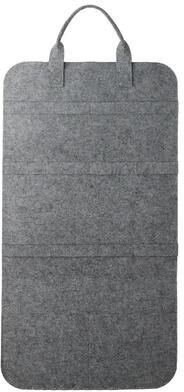
Uplifted Finds Vertical Toy Inventory Management Module grayOptimize your pets engagement ecosystem with the Vertical ToyInventory Module, a professionalgrade organization system engineered with spatialefficiency logic. This highutility module features a multitier felt architecture specifically designed to...92,97 $*Shipping: 0,00 $Secure redirect to the provider
-
Uplifted Finds Epidermal Sanitization Inventory (3 Pack Hub) Epidermal Sanitization Inventory (3 Pack Hub)Optimize your pets dermatological hygiene and ocular clarity with the Epidermal Sanitization Inventory, a professionalgrade maintenance system engineered with aqueouscleansing logic. This highutility 240unit logistics package features a specialized...111,97 $*Shipping: 0,00 $Secure redirect to the provider
-
Uplifted Finds Avian Mimic Enrichment Inventory (9 Unit Hub) Avian Mimic Enrichment Inventory (9 Unit Hub)Optimize your pet's physical agility and predatory tracking with the AvianMimic Enrichment Inventory, a professionalgrade interactive system engineered with highfrequency kinetic logic. This highutility 9piece replacement hub features a specialized...40,97 $*Shipping: 0,00 $Secure redirect to the provider
-
Simon & Schuster Money: A Story of Humanity by David McWilliams Economic History & Global Finance ExplainedIn Money: A Story of Humanity, renowned economist David McWilliams explores the fascinating history of money — not just as currency, but as a powerful force that has shaped human civilisation, relationships, technology, and global society. From ancient barter systems to cryptocurrency revolutions, McWilliams reveals how money reflects our values, ambitions, fears, politics, and culture.Rich with storytelling, sharp insights, and humour, this book makes complex economic ideas accessible, engaging, and deeply human. Perfect for readers who enjoy exploring how history, psychology, markets, and power intersect, Money: A Story of Humanity provides a fresh, eye-opening look at how money drives — and is driven by — human behaviour. Ideal for fans of Yuval Noah Harari, Tim Harford, Niall Ferguson, and Mary Beard.7,99 £*Shipping: 2,99 £Secure redirect to the provider
-
What does weighting mean?
Weighting refers to the process of assigning different levels of importance or influence to different items in a set of data. This can be done to account for the relative significance of different factors or to adjust for bias in a sample. Weighting is commonly used in statistical analysis and survey research to ensure that the results accurately represent the population being studied. It involves multiplying each data point by a specific factor to reflect its relative importance in the overall analysis. **
-
What is the weighting in Excel?
In Excel, weighting refers to assigning different levels of importance or influence to certain data points or variables. This is typically done by multiplying each data point by a specific weight or factor before aggregating the results. Weighting allows users to give more significance to certain data points in their analysis, helping to better reflect the true impact of those variables on the overall outcome. **
-
How do you calculate the weighting?
To calculate the weighting, you first need to determine the importance or significance of each factor or variable in relation to the overall goal or outcome. This can be done through expert judgment, statistical analysis, or other methods depending on the context. Once you have assigned weights to each factor, you can then multiply the weight of each factor by its respective value or score, and sum these products to get the weighted score. This weighted score provides a more accurate representation of the overall impact of each factor on the final result. **
-
How do you calculate the percentage weighting?
To calculate the percentage weighting of a particular component in a set of data, you first need to determine the total weight of all components. Then, divide the weight of the specific component by the total weight and multiply by 100 to get the percentage weighting. This calculation helps in understanding the relative importance of each component in the overall data set. **
Similar search terms for Weighting
-
APC NetShelter Cable Management Arm AR8129Cable management arm designed for APC NetShelter and Smart-UPS enclosures, measuring 45.7 cm length with compact profile. Lightweight at 0.5 kg, compatible with 30+ APC equipment models. Includes 2-year warranty.177,49 £*Shipping: 0,00 £Secure redirect to the provider
-
Uplifted Finds Vertical Toy Inventory Management Module pinkOptimize your pets engagement ecosystem with the Vertical ToyInventory Module, a professionalgrade organization system engineered with spatialefficiency logic. This highutility module features a multitier felt architecture specifically designed to...92,97 $*Shipping: 0,00 $Secure redirect to the provider
-
Uplifted Finds Vertical Toy Inventory Management Module greenOptimize your pets engagement ecosystem with the Vertical ToyInventory Module, a professionalgrade organization system engineered with spatialefficiency logic. This highutility module features a multitier felt architecture specifically designed to...92,97 $*Shipping: 0,00 $Secure redirect to the provider
-
How do you calculate weighting in Excel?
To calculate weighting in Excel, you need to multiply each value by its corresponding weight, then sum up these products. For example, if you have values in column A and weights in column B, you can use the formula =SUMPRODUCT(A1:A5, B1:B5) to calculate the weighted sum. This formula multiplies each value in column A by its corresponding weight in column B and then adds up these products to give you the weighted sum. **
-
What is the weighting of the grades?
The weighting of the grades is typically determined by the percentage each assignment or assessment contributes to the overall grade. For example, a midterm exam might be weighted at 30% of the final grade, while a final project could be weighted at 40%. The weights are usually outlined in the course syllabus or assignment instructions to provide transparency to students on how their grades will be calculated. It is important for students to understand the weighting of grades to prioritize their efforts accordingly. **
-
How can you incorporate weighting in Excel?
In Excel, you can incorporate weighting by using the SUMPRODUCT function. This function allows you to multiply each value by its corresponding weight and then sum up the results. For example, if you have a column of values in cells A1:A5 and a column of weights in cells B1:B5, you can calculate the weighted sum by using the formula =SUMPRODUCT(A1:A5, B1:B5). This will give you the weighted total of the values in column A based on the weights in column B. **
-
Can you help me with the weighting?
Yes, I can help you with weighting. Weighting is a statistical technique used to adjust the contribution of different data points in a sample to ensure that the sample is representative of the population. I can assist you in understanding how to calculate and apply weights to your data, as well as provide guidance on choosing the appropriate weighting method for your specific research or analysis. Just let me know what specific help you need with weighting, and I'll be happy to assist you. **
* All prices are inclusive of VAT and, if applicable, plus shipping costs. The offer information is based on the details provided by the respective shop and is updated through automated processes. Real-time updates do not occur, so deviations can occur in individual cases. ** Note: Parts of this content were created by AI.