Buy 1c2.eu ?
We are moving the project
1c2.eu .
Are you interested in purchasing the domain
1c2.eu ?
domain@kv-gmbh.de · 0541-91531010
Buy 1c2.eu ?
What is a pronoun?
A pronoun is a word that is used in place of a noun to avoid repetition. It can refer to a person, place, thing, or idea. Pronouns help make sentences less repetitive and more concise. Examples of pronouns include he, she, it, they, we, and you. **
Which pronoun is him?
The pronoun "him" is a third person singular masculine pronoun used to refer to a male person or animal that is the object of a verb or preposition. It is the objective form of the pronoun "he." **

Similar search terms for Pronoun
Top-Angebote
Products related to Pronoun:
-
Uplifted Finds Avian Mimic Enrichment Inventory (9 Unit Hub) Avian Mimic Enrichment Inventory (9 Unit Hub)Optimize your pet's physical agility and predatory tracking with the AvianMimic Enrichment Inventory, a professionalgrade interactive system engineered with highfrequency kinetic logic. This highutility 9piece replacement hub features a specialized...40,97 $*Shipping: 0,00 $Secure redirect to the provider
-
APC Network Management Card 3 Remote Management AdapterA plug-in remote management adapter for APC UPS systems with integrated PowerChute Network Shutdown and environmental monitoring capabilities. Supports network connectivity up to 1 Gbps across 10Base-T, 100Base-TX, and 1000Base-T Ethernet protocols using TCP/IP and SMTP. Designed for compatibility with multiple APC Smart-UPS and Symmetra models.577,99 £*Shipping: 0,00 £Secure redirect to the provider
-
Simon & Schuster Money: A Story of Humanity by David McWilliams Economic History & Global Finance ExplainedIn Money: A Story of Humanity, renowned economist David McWilliams explores the fascinating history of money — not just as currency, but as a powerful force that has shaped human civilisation, relationships, technology, and global society. From ancient barter systems to cryptocurrency revolutions, McWilliams reveals how money reflects our values, ambitions, fears, politics, and culture.Rich with storytelling, sharp insights, and humour, this book makes complex economic ideas accessible, engaging, and deeply human. Perfect for readers who enjoy exploring how history, psychology, markets, and power intersect, Money: A Story of Humanity provides a fresh, eye-opening look at how money drives — and is driven by — human behaviour. Ideal for fans of Yuval Noah Harari, Tim Harford, Niall Ferguson, and Mary Beard.7,99 £*Shipping: 2,99 £Secure redirect to the provider
-
APC NetShelter Cable Management Arm AR8129Cable management arm designed for APC NetShelter and Smart-UPS enclosures, measuring 45.7 cm length with compact profile. Lightweight at 0.5 kg, compatible with 30+ APC equipment models. Includes 2-year warranty.177,49 £*Shipping: 0,00 £Secure redirect to the provider




-
Is this a pronoun?
No, the word "this" is not a pronoun. It is a demonstrative adjective or pronoun that is used to indicate something specific or near in distance or time. Pronouns are words that replace nouns in a sentence, such as he, she, it, they, etc. **
-
Which pronoun is reflexive?
A reflexive pronoun is a pronoun that refers back to the subject of the sentence. It ends in -self or -selves, such as "myself," "yourself," "himself," "herself," "itself," "ourselves," "yourselves," and "themselves." Reflexive pronouns are used when the subject and object of a sentence are the same entity, emphasizing that the action is being performed by the subject onto itself. **
-
What is the difference between a personal pronoun and a possessive pronoun?
A personal pronoun is used to replace a noun and refers to a specific person or thing, such as "he," "she," or "they." On the other hand, a possessive pronoun shows ownership or possession, such as "his," "her," or "their." Personal pronouns indicate who is performing the action in a sentence, while possessive pronouns indicate who owns or possesses something. **
-
Is "dich" a personal pronoun?
Yes, "dich" is a personal pronoun in German. It is the accusative form of the second person singular pronoun "du," which means "you" in English. "Dich" is used when the pronoun is the direct object of a sentence. **

Which pronoun do you prefer?
As an AI, I do not have personal preferences. I am programmed to use pronouns based on the user's preference. Feel free to let me know which pronouns you would like me to use when addressing you. **
What is a direct pronoun?
A direct pronoun is a pronoun that directly receives the action of the verb in a sentence. It replaces a noun that is the direct object of the verb. Direct pronouns are used to avoid repetition and make sentences more concise. Examples of direct pronouns include "him," "her," "it," "me," "you," "us," and "them." **
Top-Angebote
Products related to Pronoun:
-
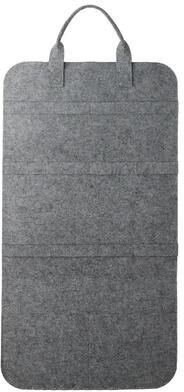
Uplifted Finds Vertical Toy Inventory Management Module grayOptimize your pets engagement ecosystem with the Vertical ToyInventory Module, a professionalgrade organization system engineered with spatialefficiency logic. This highutility module features a multitier felt architecture specifically designed to...92,97 $*Shipping: 0,00 $Secure redirect to the provider
-
Uplifted Finds Epidermal Sanitization Inventory (3 Pack Hub) Epidermal Sanitization Inventory (3 Pack Hub)Optimize your pets dermatological hygiene and ocular clarity with the Epidermal Sanitization Inventory, a professionalgrade maintenance system engineered with aqueouscleansing logic. This highutility 240unit logistics package features a specialized...111,97 $*Shipping: 0,00 $Secure redirect to the provider
-
Uplifted Finds Avian Mimic Enrichment Inventory (9 Unit Hub) Avian Mimic Enrichment Inventory (9 Unit Hub)Optimize your pet's physical agility and predatory tracking with the AvianMimic Enrichment Inventory, a professionalgrade interactive system engineered with highfrequency kinetic logic. This highutility 9piece replacement hub features a specialized...40,97 $*Shipping: 0,00 $Secure redirect to the provider
-
APC Network Management Card 3 Remote Management AdapterA plug-in remote management adapter for APC UPS systems with integrated PowerChute Network Shutdown and environmental monitoring capabilities. Supports network connectivity up to 1 Gbps across 10Base-T, 100Base-TX, and 1000Base-T Ethernet protocols using TCP/IP and SMTP. Designed for compatibility with multiple APC Smart-UPS and Symmetra models.577,99 £*Shipping: 0,00 £Secure redirect to the provider
-
What is a pronoun?
A pronoun is a word that is used in place of a noun to avoid repetition. It can refer to a person, place, thing, or idea. Pronouns help make sentences less repetitive and more concise. Examples of pronouns include he, she, it, they, we, and you. **
-
Which pronoun is him?
The pronoun "him" is a third person singular masculine pronoun used to refer to a male person or animal that is the object of a verb or preposition. It is the objective form of the pronoun "he." **
-
Is this a pronoun?
No, the word "this" is not a pronoun. It is a demonstrative adjective or pronoun that is used to indicate something specific or near in distance or time. Pronouns are words that replace nouns in a sentence, such as he, she, it, they, etc. **
-
Which pronoun is reflexive?
A reflexive pronoun is a pronoun that refers back to the subject of the sentence. It ends in -self or -selves, such as "myself," "yourself," "himself," "herself," "itself," "ourselves," "yourselves," and "themselves." Reflexive pronouns are used when the subject and object of a sentence are the same entity, emphasizing that the action is being performed by the subject onto itself. **
Similar search terms for Pronoun
-
Simon & Schuster Money: A Story of Humanity by David McWilliams Economic History & Global Finance ExplainedIn Money: A Story of Humanity, renowned economist David McWilliams explores the fascinating history of money — not just as currency, but as a powerful force that has shaped human civilisation, relationships, technology, and global society. From ancient barter systems to cryptocurrency revolutions, McWilliams reveals how money reflects our values, ambitions, fears, politics, and culture.Rich with storytelling, sharp insights, and humour, this book makes complex economic ideas accessible, engaging, and deeply human. Perfect for readers who enjoy exploring how history, psychology, markets, and power intersect, Money: A Story of Humanity provides a fresh, eye-opening look at how money drives — and is driven by — human behaviour. Ideal for fans of Yuval Noah Harari, Tim Harford, Niall Ferguson, and Mary Beard.7,99 £*Shipping: 2,99 £Secure redirect to the provider
-
APC NetShelter Cable Management Arm AR8129Cable management arm designed for APC NetShelter and Smart-UPS enclosures, measuring 45.7 cm length with compact profile. Lightweight at 0.5 kg, compatible with 30+ APC equipment models. Includes 2-year warranty.177,49 £*Shipping: 0,00 £Secure redirect to the provider
-
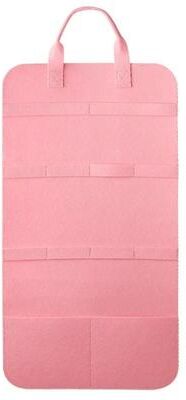
Uplifted Finds Vertical Toy Inventory Management Module pinkOptimize your pets engagement ecosystem with the Vertical ToyInventory Module, a professionalgrade organization system engineered with spatialefficiency logic. This highutility module features a multitier felt architecture specifically designed to...92,97 $*Shipping: 0,00 $Secure redirect to the provider
-
Uplifted Finds Vertical Toy Inventory Management Module yellowOptimize your pets engagement ecosystem with the Vertical ToyInventory Module, a professionalgrade organization system engineered with spatialefficiency logic. This highutility module features a multitier felt architecture specifically designed to...92,97 $*Shipping: 0,00 $Secure redirect to the provider
-
What is the difference between a personal pronoun and a possessive pronoun?
A personal pronoun is used to replace a noun and refers to a specific person or thing, such as "he," "she," or "they." On the other hand, a possessive pronoun shows ownership or possession, such as "his," "her," or "their." Personal pronouns indicate who is performing the action in a sentence, while possessive pronouns indicate who owns or possesses something. **
-
Is "dich" a personal pronoun?
Yes, "dich" is a personal pronoun in German. It is the accusative form of the second person singular pronoun "du," which means "you" in English. "Dich" is used when the pronoun is the direct object of a sentence. **
-
Which pronoun do you prefer?
As an AI, I do not have personal preferences. I am programmed to use pronouns based on the user's preference. Feel free to let me know which pronouns you would like me to use when addressing you. **
-
What is a direct pronoun?
A direct pronoun is a pronoun that directly receives the action of the verb in a sentence. It replaces a noun that is the direct object of the verb. Direct pronouns are used to avoid repetition and make sentences more concise. Examples of direct pronouns include "him," "her," "it," "me," "you," "us," and "them." **
* All prices are inclusive of VAT and, if applicable, plus shipping costs. The offer information is based on the details provided by the respective shop and is updated through automated processes. Real-time updates do not occur, so deviations can occur in individual cases. ** Note: Parts of this content were created by AI.