Buy 1c2.eu ?
We are moving the project
1c2.eu .
Are you interested in purchasing the domain
1c2.eu ?
domain@kv-gmbh.de · 0541-91531010
Buy 1c2.eu ?
Are algae prokaryotes?
No, algae are not prokaryotes. Algae are a diverse group of photosynthetic organisms that can be found in various environments, including freshwater and marine habitats. They are eukaryotic organisms, meaning they have a true nucleus and other membrane-bound organelles within their cells. This distinguishes them from prokaryotes, which lack a true nucleus and membrane-bound organelles. **
Are amoebas prokaryotes?
No, amoebas are not prokaryotes. Amoebas are eukaryotic organisms, meaning they have a true nucleus and other membrane-bound organelles within their cells. Prokaryotes, on the other hand, are organisms that lack a true nucleus and other membrane-bound organelles. Examples of prokaryotes include bacteria and archaea. **


Similar search terms for Prokaryotes
Top-Angebote
Products related to Prokaryotes:
-
Uplifted Finds Avian Mimic Enrichment Inventory (9 Unit Hub) Avian Mimic Enrichment Inventory (9 Unit Hub)Optimize your pet's physical agility and predatory tracking with the AvianMimic Enrichment Inventory, a professionalgrade interactive system engineered with highfrequency kinetic logic. This highutility 9piece replacement hub features a specialized...40,97 $*Shipping: 0,00 $Secure redirect to the provider
-
APC Network Management Card 3 Remote Management AdapterA plug-in remote management adapter for APC UPS systems with integrated PowerChute Network Shutdown and environmental monitoring capabilities. Supports network connectivity up to 1 Gbps across 10Base-T, 100Base-TX, and 1000Base-T Ethernet protocols using TCP/IP and SMTP. Designed for compatibility with multiple APC Smart-UPS and Symmetra models.577,99 £*Shipping: 0,00 £Secure redirect to the provider
-
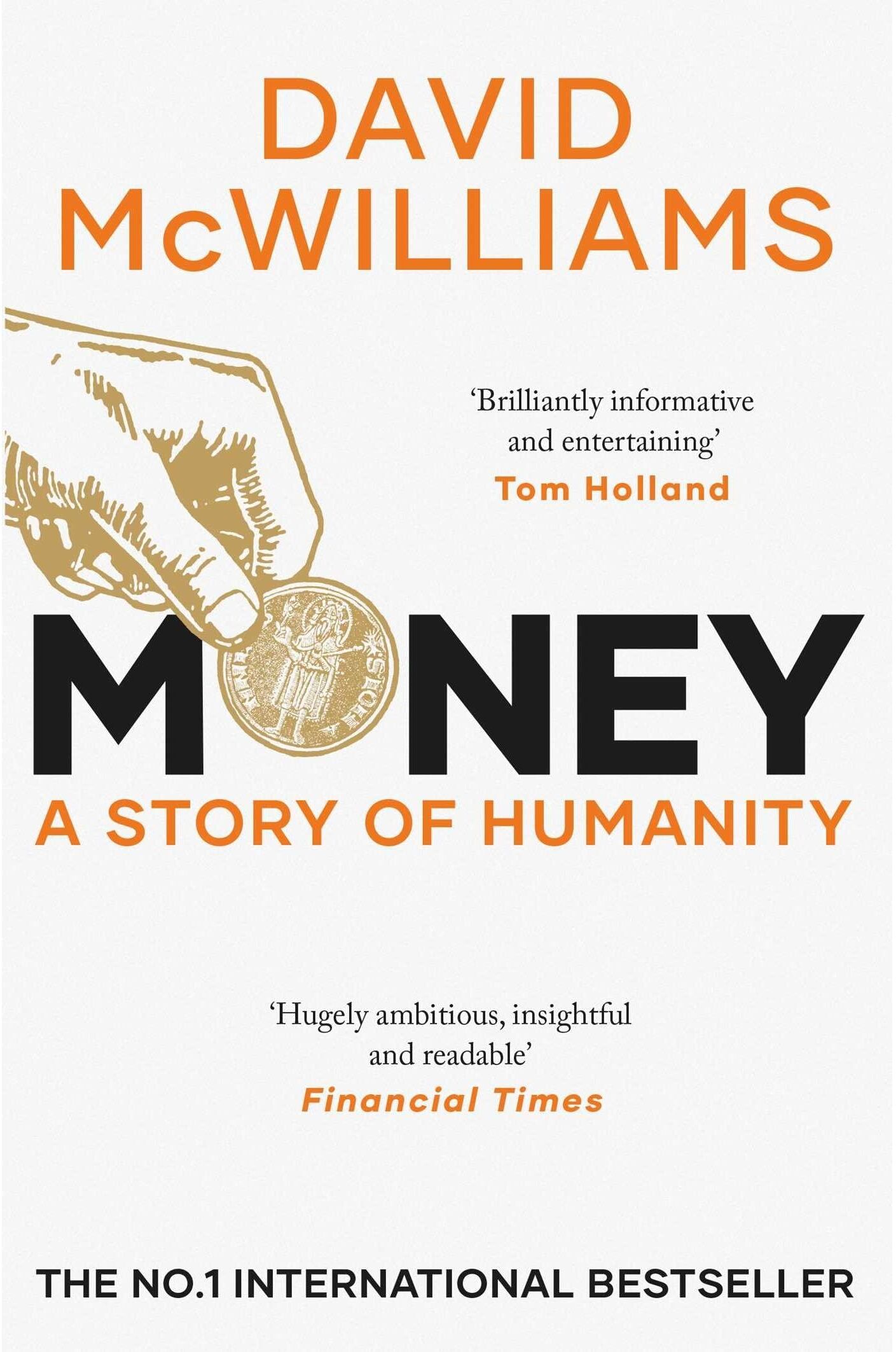
Simon & Schuster Money: A Story of Humanity by David McWilliams Economic History & Global Finance ExplainedIn Money: A Story of Humanity, renowned economist David McWilliams explores the fascinating history of money — not just as currency, but as a powerful force that has shaped human civilisation, relationships, technology, and global society. From ancient barter systems to cryptocurrency revolutions, McWilliams reveals how money reflects our values, ambitions, fears, politics, and culture.Rich with storytelling, sharp insights, and humour, this book makes complex economic ideas accessible, engaging, and deeply human. Perfect for readers who enjoy exploring how history, psychology, markets, and power intersect, Money: A Story of Humanity provides a fresh, eye-opening look at how money drives — and is driven by — human behaviour. Ideal for fans of Yuval Noah Harari, Tim Harford, Niall Ferguson, and Mary Beard.7,99 £*Shipping: 2,99 £Secure redirect to the provider
-
APC NetShelter Cable Management Arm AR8129Cable management arm designed for APC NetShelter and Smart-UPS enclosures, measuring 45.7 cm length with compact profile. Lightweight at 0.5 kg, compatible with 30+ APC equipment models. Includes 2-year warranty.177,49 £*Shipping: 0,00 £Secure redirect to the provider



-
When did prokaryotes originate?
Prokaryotes are believed to have originated around 3.5 billion years ago, making them some of the earliest forms of life on Earth. **
-
Are prokaryotes human cells?
No, prokaryotes are not human cells. Prokaryotes are single-celled organisms that lack a true nucleus and other membrane-bound organelles, while human cells are eukaryotic, meaning they have a true nucleus and other membrane-bound organelles. Prokaryotes include bacteria and archaea, while human cells are part of the complex multicellular organism known as Homo sapiens. **
-
Are humans prokaryotes or eukaryotes?
Humans are eukaryotes. Eukaryotes are organisms whose cells have a true nucleus containing their genetic material, while prokaryotes do not have a nucleus. Human cells, like all other animals, plants, fungi, and protists, are eukaryotic cells. **
-
What are eukaryotes and prokaryotes?
Eukaryotes are organisms whose cells have a true nucleus, which contains their genetic material. They also have other membrane-bound organelles, such as mitochondria and the endoplasmic reticulum. Examples of eukaryotes include plants, animals, fungi, and protists. Prokaryotes, on the other hand, are organisms whose cells do not have a true nucleus or other membrane-bound organelles. Their genetic material is located in the cytoplasm, and they are typically smaller and simpler in structure compared to eukaryotic cells. Examples of prokaryotes include bacteria and archaea. **


What are prokaryotes and mitochondria?
Prokaryotes are single-celled organisms that lack a nucleus and other membrane-bound organelles. They are typically smaller and simpler in structure compared to eukaryotic cells. Prokaryotes include bacteria and archaea. Mitochondria are membrane-bound organelles found in eukaryotic cells. They are often referred to as the "powerhouses" of the cell because they generate energy in the form of ATP through a process called cellular respiration. Mitochondria have their own DNA and are thought to have originated from a symbiotic relationship between an ancestral eukaryotic cell and a prokaryotic cell. **
Do prokaryotes have a cell nucleus?
No, prokaryotes do not have a cell nucleus. Prokaryotic cells lack a membrane-bound nucleus that houses their genetic material. Instead, their DNA is found in a region of the cell called the nucleoid. This is one of the key differences between prokaryotic and eukaryotic cells, as eukaryotic cells have a defined nucleus that separates their genetic material from the rest of the cell. **
Top-Angebote
Products related to Prokaryotes:
-
Uplifted Finds Vertical Toy Inventory Management Module grayOptimize your pets engagement ecosystem with the Vertical ToyInventory Module, a professionalgrade organization system engineered with spatialefficiency logic. This highutility module features a multitier felt architecture specifically designed to...92,97 $*Shipping: 0,00 $Secure redirect to the provider
-
Uplifted Finds Epidermal Sanitization Inventory (3 Pack Hub) Epidermal Sanitization Inventory (3 Pack Hub)Optimize your pets dermatological hygiene and ocular clarity with the Epidermal Sanitization Inventory, a professionalgrade maintenance system engineered with aqueouscleansing logic. This highutility 240unit logistics package features a specialized...111,97 $*Shipping: 0,00 $Secure redirect to the provider
-
Uplifted Finds Avian Mimic Enrichment Inventory (9 Unit Hub) Avian Mimic Enrichment Inventory (9 Unit Hub)Optimize your pet's physical agility and predatory tracking with the AvianMimic Enrichment Inventory, a professionalgrade interactive system engineered with highfrequency kinetic logic. This highutility 9piece replacement hub features a specialized...40,97 $*Shipping: 0,00 $Secure redirect to the provider
-
APC Network Management Card 3 Remote Management AdapterA plug-in remote management adapter for APC UPS systems with integrated PowerChute Network Shutdown and environmental monitoring capabilities. Supports network connectivity up to 1 Gbps across 10Base-T, 100Base-TX, and 1000Base-T Ethernet protocols using TCP/IP and SMTP. Designed for compatibility with multiple APC Smart-UPS and Symmetra models.577,99 £*Shipping: 0,00 £Secure redirect to the provider
-
Are algae prokaryotes?
No, algae are not prokaryotes. Algae are a diverse group of photosynthetic organisms that can be found in various environments, including freshwater and marine habitats. They are eukaryotic organisms, meaning they have a true nucleus and other membrane-bound organelles within their cells. This distinguishes them from prokaryotes, which lack a true nucleus and membrane-bound organelles. **
-
Are amoebas prokaryotes?
No, amoebas are not prokaryotes. Amoebas are eukaryotic organisms, meaning they have a true nucleus and other membrane-bound organelles within their cells. Prokaryotes, on the other hand, are organisms that lack a true nucleus and other membrane-bound organelles. Examples of prokaryotes include bacteria and archaea. **
-
When did prokaryotes originate?
Prokaryotes are believed to have originated around 3.5 billion years ago, making them some of the earliest forms of life on Earth. **
-
Are prokaryotes human cells?
No, prokaryotes are not human cells. Prokaryotes are single-celled organisms that lack a true nucleus and other membrane-bound organelles, while human cells are eukaryotic, meaning they have a true nucleus and other membrane-bound organelles. Prokaryotes include bacteria and archaea, while human cells are part of the complex multicellular organism known as Homo sapiens. **
Similar search terms for Prokaryotes
-
Simon & Schuster Money: A Story of Humanity by David McWilliams Economic History & Global Finance ExplainedIn Money: A Story of Humanity, renowned economist David McWilliams explores the fascinating history of money — not just as currency, but as a powerful force that has shaped human civilisation, relationships, technology, and global society. From ancient barter systems to cryptocurrency revolutions, McWilliams reveals how money reflects our values, ambitions, fears, politics, and culture.Rich with storytelling, sharp insights, and humour, this book makes complex economic ideas accessible, engaging, and deeply human. Perfect for readers who enjoy exploring how history, psychology, markets, and power intersect, Money: A Story of Humanity provides a fresh, eye-opening look at how money drives — and is driven by — human behaviour. Ideal for fans of Yuval Noah Harari, Tim Harford, Niall Ferguson, and Mary Beard.7,99 £*Shipping: 2,99 £Secure redirect to the provider
-
APC NetShelter Cable Management Arm AR8129Cable management arm designed for APC NetShelter and Smart-UPS enclosures, measuring 45.7 cm length with compact profile. Lightweight at 0.5 kg, compatible with 30+ APC equipment models. Includes 2-year warranty.177,49 £*Shipping: 0,00 £Secure redirect to the provider
-
Uplifted Finds Vertical Toy Inventory Management Module pinkOptimize your pets engagement ecosystem with the Vertical ToyInventory Module, a professionalgrade organization system engineered with spatialefficiency logic. This highutility module features a multitier felt architecture specifically designed to...92,97 $*Shipping: 0,00 $Secure redirect to the provider
-
Uplifted Finds Vertical Toy Inventory Management Module yellowOptimize your pets engagement ecosystem with the Vertical ToyInventory Module, a professionalgrade organization system engineered with spatialefficiency logic. This highutility module features a multitier felt architecture specifically designed to...92,97 $*Shipping: 0,00 $Secure redirect to the provider
-
Are humans prokaryotes or eukaryotes?
Humans are eukaryotes. Eukaryotes are organisms whose cells have a true nucleus containing their genetic material, while prokaryotes do not have a nucleus. Human cells, like all other animals, plants, fungi, and protists, are eukaryotic cells. **
-
What are eukaryotes and prokaryotes?
Eukaryotes are organisms whose cells have a true nucleus, which contains their genetic material. They also have other membrane-bound organelles, such as mitochondria and the endoplasmic reticulum. Examples of eukaryotes include plants, animals, fungi, and protists. Prokaryotes, on the other hand, are organisms whose cells do not have a true nucleus or other membrane-bound organelles. Their genetic material is located in the cytoplasm, and they are typically smaller and simpler in structure compared to eukaryotic cells. Examples of prokaryotes include bacteria and archaea. **
-
What are prokaryotes and mitochondria?
Prokaryotes are single-celled organisms that lack a nucleus and other membrane-bound organelles. They are typically smaller and simpler in structure compared to eukaryotic cells. Prokaryotes include bacteria and archaea. Mitochondria are membrane-bound organelles found in eukaryotic cells. They are often referred to as the "powerhouses" of the cell because they generate energy in the form of ATP through a process called cellular respiration. Mitochondria have their own DNA and are thought to have originated from a symbiotic relationship between an ancestral eukaryotic cell and a prokaryotic cell. **
-
Do prokaryotes have a cell nucleus?
No, prokaryotes do not have a cell nucleus. Prokaryotic cells lack a membrane-bound nucleus that houses their genetic material. Instead, their DNA is found in a region of the cell called the nucleoid. This is one of the key differences between prokaryotic and eukaryotic cells, as eukaryotic cells have a defined nucleus that separates their genetic material from the rest of the cell. **
* All prices are inclusive of VAT and, if applicable, plus shipping costs. The offer information is based on the details provided by the respective shop and is updated through automated processes. Real-time updates do not occur, so deviations can occur in individual cases. ** Note: Parts of this content were created by AI.