Buy 1c2.eu ?
We are moving the project
1c2.eu .
Are you interested in purchasing the domain
1c2.eu ?
domain@kv-gmbh.de · 0541-91531010
Buy 1c2.eu ?
What is a monarchy?
A monarchy is a form of government in which a single ruler, usually a king or queen, holds all the power and authority. In a monarchy, the position of the ruler is usually hereditary, meaning it is passed down through a royal family. Monarchies can be absolute, where the ruler has complete control over the government, or constitutional, where the ruler's powers are limited by a constitution or parliament. Monarchies have existed throughout history and can be found in various countries around the world. **
Is monarchy actually illegal?
Monarchy is not inherently illegal, as there are several countries around the world that still have a monarchy as part of their government structure. However, in some countries, the monarchy may be limited in its powers and subject to constitutional or legal restrictions. In other countries, the monarchy may have been abolished or transformed into a ceremonial role. Therefore, the legality of monarchy depends on the specific laws and constitution of each country. **


Similar search terms for Monarchy
Top-Angebote
Products related to Monarchy:
-
Uplifted Finds Avian Mimic Enrichment Inventory (9 Unit Hub) Avian Mimic Enrichment Inventory (9 Unit Hub)Optimize your pet's physical agility and predatory tracking with the AvianMimic Enrichment Inventory, a professionalgrade interactive system engineered with highfrequency kinetic logic. This highutility 9piece replacement hub features a specialized...40,97 $*Shipping: 0,00 $Secure redirect to the provider
-
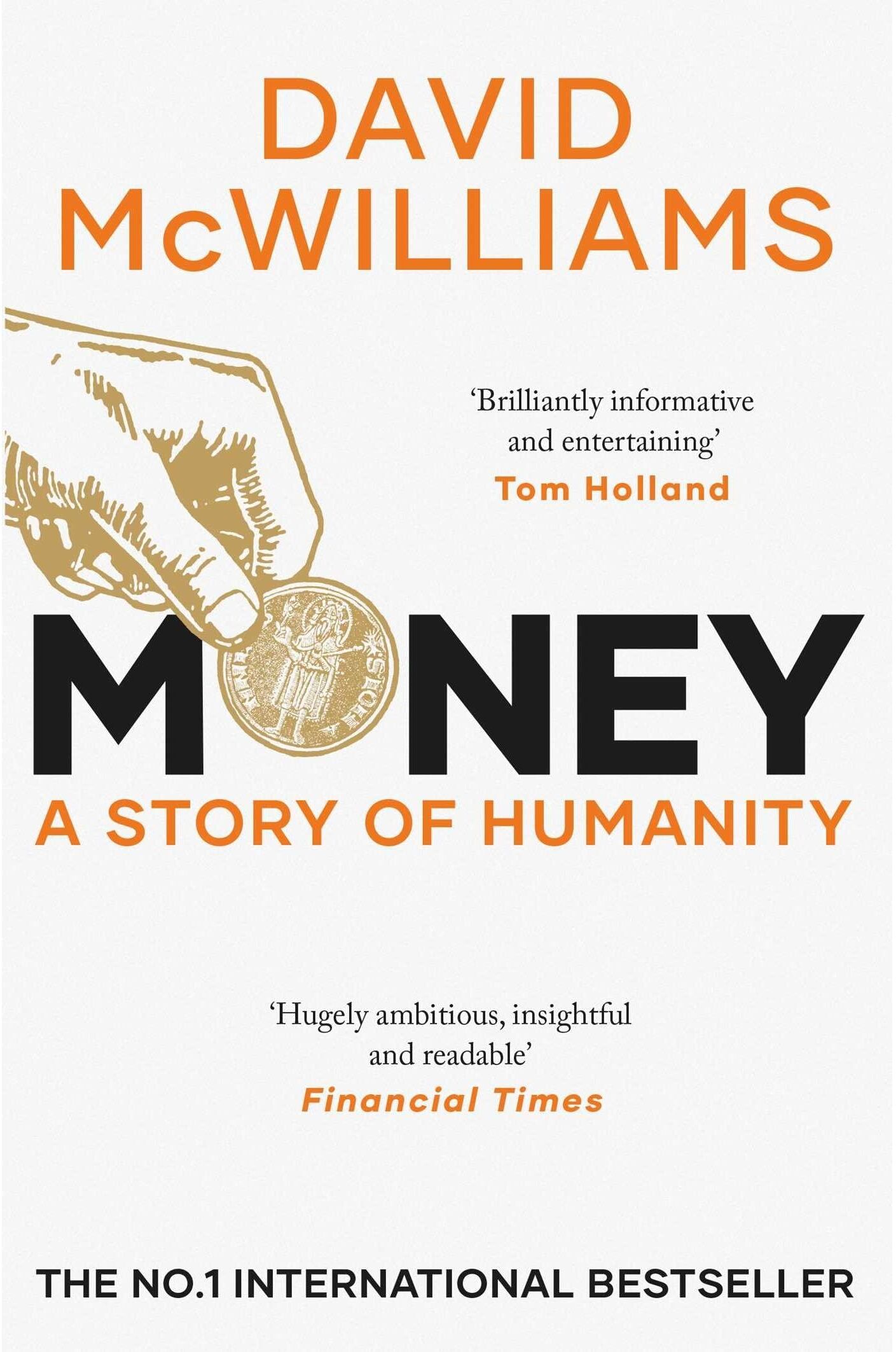
Simon & Schuster Money: A Story of Humanity by David McWilliams Economic History & Global Finance ExplainedIn Money: A Story of Humanity, renowned economist David McWilliams explores the fascinating history of money — not just as currency, but as a powerful force that has shaped human civilisation, relationships, technology, and global society. From ancient barter systems to cryptocurrency revolutions, McWilliams reveals how money reflects our values, ambitions, fears, politics, and culture.Rich with storytelling, sharp insights, and humour, this book makes complex economic ideas accessible, engaging, and deeply human. Perfect for readers who enjoy exploring how history, psychology, markets, and power intersect, Money: A Story of Humanity provides a fresh, eye-opening look at how money drives — and is driven by — human behaviour. Ideal for fans of Yuval Noah Harari, Tim Harford, Niall Ferguson, and Mary Beard.7,99 £*Shipping: 2,99 £Secure redirect to the provider
-
APC NetShelter Cable Management Arm AR8129Cable management arm designed for APC NetShelter and Smart-UPS enclosures, measuring 45.7 cm length with compact profile. Lightweight at 0.5 kg, compatible with 30+ APC equipment models. Includes 2-year warranty.177,49 £*Shipping: 0,00 £Secure redirect to the provider



-
What is the difference between an elective monarchy and a hereditary monarchy?
An elective monarchy is a system in which the monarch is chosen by a group of individuals, such as nobles or a council, through a process of election. In contrast, a hereditary monarchy is a system in which the monarch's position is passed down through generations within a specific family or bloodline. While in an elective monarchy the ruler is selected based on merit, qualifications, or other criteria, in a hereditary monarchy, the succession is based solely on familial ties and lineage. **
-
What is the difference between a constitutional monarchy and a parliamentary monarchy?
In a constitutional monarchy, the monarch's powers are limited by a constitution, which outlines the monarch's role and responsibilities. The government is usually run by elected officials, and the monarch's role is largely ceremonial. In a parliamentary monarchy, the monarch's powers are even more limited, with the government being run by a parliament and a prime minister. The monarch's role is purely symbolic, with no real political power. **
-
What is the difference between a parliamentary monarchy and a constitutional monarchy?
A parliamentary monarchy is a form of government in which a monarch acts as the head of state, while the day-to-day affairs of the government are managed by a parliament and a prime minister. In this system, the monarch's powers are largely ceremonial and symbolic. On the other hand, a constitutional monarchy is a form of government in which the monarch's powers are limited by a constitution, and the government is run by elected officials. In a constitutional monarchy, the monarch's role is largely ceremonial and symbolic, similar to a parliamentary monarchy, but the powers and limitations are defined by a constitution. **
-
What is the Danube Monarchy? Is it a dual monarchy between Austria and Hungary or a Habsburg monarchy? Need help.
The Danube Monarchy, also known as the Austro-Hungarian Empire, was a dual monarchy between Austria and Hungary. It was established in 1867 after the Austro-Hungarian Compromise, which granted Hungary more autonomy within the empire. The Habsburg monarchy refers to the ruling family of the Austro-Hungarian Empire, as the Habsburgs were the ruling dynasty of both Austria and Hungary. Therefore, the Danube Monarchy can be considered both a dual monarchy between Austria and Hungary and a Habsburg monarchy. **


What is a payroll accounting?
Payroll accounting is the process of recording and managing a company's financial transactions related to employee compensation. This includes calculating and recording wages, salaries, bonuses, and deductions, as well as managing payroll taxes and other withholdings. Payroll accounting also involves ensuring compliance with labor laws and regulations, and providing accurate financial reports related to employee compensation. Overall, payroll accounting is essential for maintaining accurate and transparent financial records related to employee compensation within an organization. **
Is a dictatorship a monarchy?
No, a dictatorship is not the same as a monarchy. In a monarchy, the ruler's power is usually inherited through a royal family, while in a dictatorship, power is typically seized and maintained through force or authoritarian control. Monarchies can have different forms of government, such as constitutional monarchies where the monarch's powers are limited by a constitution, while dictatorships are characterized by the concentration of power in the hands of a single individual or a small group. **
Top-Angebote
Products related to Monarchy:
-
Uplifted Finds Vertical Toy Inventory Management Module pinkOptimize your pets engagement ecosystem with the Vertical ToyInventory Module, a professionalgrade organization system engineered with spatialefficiency logic. This highutility module features a multitier felt architecture specifically designed to...92,97 $*Shipping: 0,00 $Secure redirect to the provider
-
Uplifted Finds Epidermal Sanitization Inventory (3 Pack Hub) Epidermal Sanitization Inventory (3 Pack Hub)Optimize your pets dermatological hygiene and ocular clarity with the Epidermal Sanitization Inventory, a professionalgrade maintenance system engineered with aqueouscleansing logic. This highutility 240unit logistics package features a specialized...111,97 $*Shipping: 0,00 $Secure redirect to the provider
-
Uplifted Finds Avian Mimic Enrichment Inventory (9 Unit Hub) Avian Mimic Enrichment Inventory (9 Unit Hub)Optimize your pet's physical agility and predatory tracking with the AvianMimic Enrichment Inventory, a professionalgrade interactive system engineered with highfrequency kinetic logic. This highutility 9piece replacement hub features a specialized...40,97 $*Shipping: 0,00 $Secure redirect to the provider
-
Simon & Schuster Money: A Story of Humanity by David McWilliams Economic History & Global Finance ExplainedIn Money: A Story of Humanity, renowned economist David McWilliams explores the fascinating history of money — not just as currency, but as a powerful force that has shaped human civilisation, relationships, technology, and global society. From ancient barter systems to cryptocurrency revolutions, McWilliams reveals how money reflects our values, ambitions, fears, politics, and culture.Rich with storytelling, sharp insights, and humour, this book makes complex economic ideas accessible, engaging, and deeply human. Perfect for readers who enjoy exploring how history, psychology, markets, and power intersect, Money: A Story of Humanity provides a fresh, eye-opening look at how money drives — and is driven by — human behaviour. Ideal for fans of Yuval Noah Harari, Tim Harford, Niall Ferguson, and Mary Beard.7,99 £*Shipping: 2,99 £Secure redirect to the provider
-
What is a monarchy?
A monarchy is a form of government in which a single ruler, usually a king or queen, holds all the power and authority. In a monarchy, the position of the ruler is usually hereditary, meaning it is passed down through a royal family. Monarchies can be absolute, where the ruler has complete control over the government, or constitutional, where the ruler's powers are limited by a constitution or parliament. Monarchies have existed throughout history and can be found in various countries around the world. **
-
Is monarchy actually illegal?
Monarchy is not inherently illegal, as there are several countries around the world that still have a monarchy as part of their government structure. However, in some countries, the monarchy may be limited in its powers and subject to constitutional or legal restrictions. In other countries, the monarchy may have been abolished or transformed into a ceremonial role. Therefore, the legality of monarchy depends on the specific laws and constitution of each country. **
-
What is the difference between an elective monarchy and a hereditary monarchy?
An elective monarchy is a system in which the monarch is chosen by a group of individuals, such as nobles or a council, through a process of election. In contrast, a hereditary monarchy is a system in which the monarch's position is passed down through generations within a specific family or bloodline. While in an elective monarchy the ruler is selected based on merit, qualifications, or other criteria, in a hereditary monarchy, the succession is based solely on familial ties and lineage. **
-
What is the difference between a constitutional monarchy and a parliamentary monarchy?
In a constitutional monarchy, the monarch's powers are limited by a constitution, which outlines the monarch's role and responsibilities. The government is usually run by elected officials, and the monarch's role is largely ceremonial. In a parliamentary monarchy, the monarch's powers are even more limited, with the government being run by a parliament and a prime minister. The monarch's role is purely symbolic, with no real political power. **
Similar search terms for Monarchy
-
APC NetShelter Cable Management Arm AR8129Cable management arm designed for APC NetShelter and Smart-UPS enclosures, measuring 45.7 cm length with compact profile. Lightweight at 0.5 kg, compatible with 30+ APC equipment models. Includes 2-year warranty.177,49 £*Shipping: 0,00 £Secure redirect to the provider
-
Uplifted Finds Vertical Toy Inventory Management Module yellowOptimize your pets engagement ecosystem with the Vertical ToyInventory Module, a professionalgrade organization system engineered with spatialefficiency logic. This highutility module features a multitier felt architecture specifically designed to...92,97 $*Shipping: 0,00 $Secure redirect to the provider
-
Uplifted Finds Vertical Toy Inventory Management Module greenOptimize your pets engagement ecosystem with the Vertical ToyInventory Module, a professionalgrade organization system engineered with spatialefficiency logic. This highutility module features a multitier felt architecture specifically designed to...92,97 $*Shipping: 0,00 $Secure redirect to the provider
-
What is the difference between a parliamentary monarchy and a constitutional monarchy?
A parliamentary monarchy is a form of government in which a monarch acts as the head of state, while the day-to-day affairs of the government are managed by a parliament and a prime minister. In this system, the monarch's powers are largely ceremonial and symbolic. On the other hand, a constitutional monarchy is a form of government in which the monarch's powers are limited by a constitution, and the government is run by elected officials. In a constitutional monarchy, the monarch's role is largely ceremonial and symbolic, similar to a parliamentary monarchy, but the powers and limitations are defined by a constitution. **
-
What is the Danube Monarchy? Is it a dual monarchy between Austria and Hungary or a Habsburg monarchy? Need help.
The Danube Monarchy, also known as the Austro-Hungarian Empire, was a dual monarchy between Austria and Hungary. It was established in 1867 after the Austro-Hungarian Compromise, which granted Hungary more autonomy within the empire. The Habsburg monarchy refers to the ruling family of the Austro-Hungarian Empire, as the Habsburgs were the ruling dynasty of both Austria and Hungary. Therefore, the Danube Monarchy can be considered both a dual monarchy between Austria and Hungary and a Habsburg monarchy. **
-
What is a payroll accounting?
Payroll accounting is the process of recording and managing a company's financial transactions related to employee compensation. This includes calculating and recording wages, salaries, bonuses, and deductions, as well as managing payroll taxes and other withholdings. Payroll accounting also involves ensuring compliance with labor laws and regulations, and providing accurate financial reports related to employee compensation. Overall, payroll accounting is essential for maintaining accurate and transparent financial records related to employee compensation within an organization. **
-
Is a dictatorship a monarchy?
No, a dictatorship is not the same as a monarchy. In a monarchy, the ruler's power is usually inherited through a royal family, while in a dictatorship, power is typically seized and maintained through force or authoritarian control. Monarchies can have different forms of government, such as constitutional monarchies where the monarch's powers are limited by a constitution, while dictatorships are characterized by the concentration of power in the hands of a single individual or a small group. **
* All prices are inclusive of VAT and, if applicable, plus shipping costs. The offer information is based on the details provided by the respective shop and is updated through automated processes. Real-time updates do not occur, so deviations can occur in individual cases. ** Note: Parts of this content were created by AI.