Buy 1c2.eu ?
We are moving the project
1c2.eu .
Are you interested in purchasing the domain
1c2.eu ?
domain@kv-gmbh.de · 0541-91531010
Buy 1c2.eu ?
How do I draw an isometric view of it?
To draw an isometric view of an object, you need to first understand the concept of isometric projection, which involves drawing the object from a 30-degree angle. Start by drawing a horizontal line, then draw two lines at 30-degree angles from the ends of the horizontal line. These lines will serve as the basis for the three-dimensional shape. Next, draw the vertical lines to connect the ends of the angled lines, creating a three-dimensional box. Finally, add in any details or features of the object to complete the isometric view. **
Are muscle flashcards for crunches isometric, concentric, or eccentric?
Muscle flashcards for crunches would primarily focus on the concentric phase of the exercise. This is when the muscle contracts and shortens, such as when you lift your upper body off the ground during a crunch. Isometric exercises involve holding a static position, while eccentric exercises involve the lengthening of the muscle. **

Similar search terms for Isometric
Top-Angebote
Products related to Isometric:
-
Uplifted Finds Avian Mimic Enrichment Inventory (9 Unit Hub) Avian Mimic Enrichment Inventory (9 Unit Hub)Optimize your pet's physical agility and predatory tracking with the AvianMimic Enrichment Inventory, a professionalgrade interactive system engineered with highfrequency kinetic logic. This highutility 9piece replacement hub features a specialized...40,97 $*Shipping: 0,00 $Secure redirect to the provider
-
Simon & Schuster Money: A Story of Humanity by David McWilliams Economic History & Global Finance ExplainedIn Money: A Story of Humanity, renowned economist David McWilliams explores the fascinating history of money — not just as currency, but as a powerful force that has shaped human civilisation, relationships, technology, and global society. From ancient barter systems to cryptocurrency revolutions, McWilliams reveals how money reflects our values, ambitions, fears, politics, and culture.Rich with storytelling, sharp insights, and humour, this book makes complex economic ideas accessible, engaging, and deeply human. Perfect for readers who enjoy exploring how history, psychology, markets, and power intersect, Money: A Story of Humanity provides a fresh, eye-opening look at how money drives — and is driven by — human behaviour. Ideal for fans of Yuval Noah Harari, Tim Harford, Niall Ferguson, and Mary Beard.7,99 £*Shipping: 2,99 £Secure redirect to the provider
-
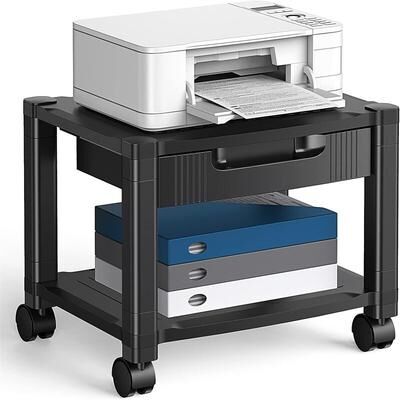
APC NetShelter Cable Management Arm AR8129Cable management arm designed for APC NetShelter and Smart-UPS enclosures, measuring 45.7 cm length with compact profile. Lightweight at 0.5 kg, compatible with 30+ APC equipment models. Includes 2-year warranty.177,49 £*Shipping: 0,00 £Secure redirect to the provider



-
Can someone show me the isometric representation of this?
Sure, an isometric representation is a 3D drawing that shows an object from a specific angle to give a sense of depth and dimension. It is often used in technical drawings and design to provide a more realistic view of an object. To create an isometric representation of something, you would typically need to use specialized software or have a skilled artist create a hand-drawn version. If you have a specific object in mind, you may want to provide more details so that someone can create an accurate isometric representation for you. **
-
How do I draw the cuboid in isometric view?
To draw a cuboid in isometric view, start by drawing a square as the base of the cuboid. Then, draw two lines extending upwards from two opposite corners of the square at a 30-degree angle. Connect the top of these lines with parallel lines to complete the top face of the cuboid. Finally, connect the corresponding corners of the base and top faces with vertical lines to create the sides of the cuboid. Make sure to maintain the same 30-degree angle for all lines to achieve the isometric view. **
-
How can one complete an isometric representation with 3 panels?
To complete an isometric representation with 3 panels, one can start by sketching out the basic isometric view of the object on the first panel. Then, on the second panel, draw the object from a different angle to show more details and dimensions. Finally, on the third panel, add any additional views or close-up details to provide a comprehensive representation of the object from all angles. This approach allows for a more thorough and informative depiction of the object in an isometric view. **
-
Are muscle learning cards for crunches isometric, concentric, or eccentric?
Muscle learning cards for crunches would primarily focus on the concentric phase of the exercise. The concentric phase is when the muscle contracts and shortens, such as when you lift your upper body off the ground during a crunch. Isometric exercises involve holding a static position, while eccentric exercises involve the lengthening of the muscle. While there may be some isometric and eccentric components to a crunch, muscle learning cards for crunches would likely emphasize the concentric phase as it is the primary movement in this exercise. **

How do I draw an isometric view of this triangle?
To draw an isometric view of a triangle, start by drawing the three sides of the triangle as three parallel lines. Then, draw the height of the triangle from the base to the opposite vertex. Next, draw the two remaining sides of the triangle to complete the isometric view. Make sure to maintain the 120-degree angles between the sides to accurately represent the triangle in isometric projection. **
What is a payroll accounting?
Payroll accounting is the process of recording and managing a company's financial transactions related to employee compensation. This includes calculating and recording wages, salaries, bonuses, and deductions, as well as managing payroll taxes and other withholdings. Payroll accounting also involves ensuring compliance with labor laws and regulations, and providing accurate financial reports related to employee compensation. Overall, payroll accounting is essential for maintaining accurate and transparent financial records related to employee compensation within an organization. **
Top-Angebote
Products related to Isometric:
-
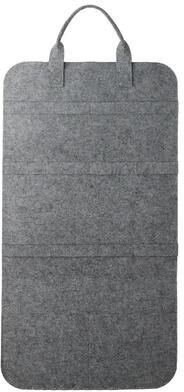
Uplifted Finds Vertical Toy Inventory Management Module grayOptimize your pets engagement ecosystem with the Vertical ToyInventory Module, a professionalgrade organization system engineered with spatialefficiency logic. This highutility module features a multitier felt architecture specifically designed to...92,97 $*Shipping: 0,00 $Secure redirect to the provider
-
Uplifted Finds Epidermal Sanitization Inventory (3 Pack Hub) Epidermal Sanitization Inventory (3 Pack Hub)Optimize your pets dermatological hygiene and ocular clarity with the Epidermal Sanitization Inventory, a professionalgrade maintenance system engineered with aqueouscleansing logic. This highutility 240unit logistics package features a specialized...111,97 $*Shipping: 0,00 $Secure redirect to the provider
-
Uplifted Finds Avian Mimic Enrichment Inventory (9 Unit Hub) Avian Mimic Enrichment Inventory (9 Unit Hub)Optimize your pet's physical agility and predatory tracking with the AvianMimic Enrichment Inventory, a professionalgrade interactive system engineered with highfrequency kinetic logic. This highutility 9piece replacement hub features a specialized...40,97 $*Shipping: 0,00 $Secure redirect to the provider
-
Simon & Schuster Money: A Story of Humanity by David McWilliams Economic History & Global Finance ExplainedIn Money: A Story of Humanity, renowned economist David McWilliams explores the fascinating history of money — not just as currency, but as a powerful force that has shaped human civilisation, relationships, technology, and global society. From ancient barter systems to cryptocurrency revolutions, McWilliams reveals how money reflects our values, ambitions, fears, politics, and culture.Rich with storytelling, sharp insights, and humour, this book makes complex economic ideas accessible, engaging, and deeply human. Perfect for readers who enjoy exploring how history, psychology, markets, and power intersect, Money: A Story of Humanity provides a fresh, eye-opening look at how money drives — and is driven by — human behaviour. Ideal for fans of Yuval Noah Harari, Tim Harford, Niall Ferguson, and Mary Beard.7,99 £*Shipping: 2,99 £Secure redirect to the provider
-
How do I draw an isometric view of it?
To draw an isometric view of an object, you need to first understand the concept of isometric projection, which involves drawing the object from a 30-degree angle. Start by drawing a horizontal line, then draw two lines at 30-degree angles from the ends of the horizontal line. These lines will serve as the basis for the three-dimensional shape. Next, draw the vertical lines to connect the ends of the angled lines, creating a three-dimensional box. Finally, add in any details or features of the object to complete the isometric view. **
-
Are muscle flashcards for crunches isometric, concentric, or eccentric?
Muscle flashcards for crunches would primarily focus on the concentric phase of the exercise. This is when the muscle contracts and shortens, such as when you lift your upper body off the ground during a crunch. Isometric exercises involve holding a static position, while eccentric exercises involve the lengthening of the muscle. **
-
Can someone show me the isometric representation of this?
Sure, an isometric representation is a 3D drawing that shows an object from a specific angle to give a sense of depth and dimension. It is often used in technical drawings and design to provide a more realistic view of an object. To create an isometric representation of something, you would typically need to use specialized software or have a skilled artist create a hand-drawn version. If you have a specific object in mind, you may want to provide more details so that someone can create an accurate isometric representation for you. **
-
How do I draw the cuboid in isometric view?
To draw a cuboid in isometric view, start by drawing a square as the base of the cuboid. Then, draw two lines extending upwards from two opposite corners of the square at a 30-degree angle. Connect the top of these lines with parallel lines to complete the top face of the cuboid. Finally, connect the corresponding corners of the base and top faces with vertical lines to create the sides of the cuboid. Make sure to maintain the same 30-degree angle for all lines to achieve the isometric view. **
Similar search terms for Isometric
-
APC NetShelter Cable Management Arm AR8129Cable management arm designed for APC NetShelter and Smart-UPS enclosures, measuring 45.7 cm length with compact profile. Lightweight at 0.5 kg, compatible with 30+ APC equipment models. Includes 2-year warranty.177,49 £*Shipping: 0,00 £Secure redirect to the provider
-
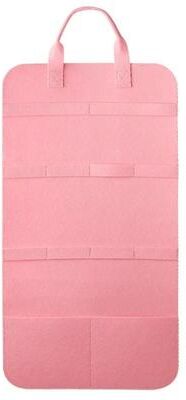
Uplifted Finds Vertical Toy Inventory Management Module pinkOptimize your pets engagement ecosystem with the Vertical ToyInventory Module, a professionalgrade organization system engineered with spatialefficiency logic. This highutility module features a multitier felt architecture specifically designed to...92,97 $*Shipping: 0,00 $Secure redirect to the provider
-
Uplifted Finds Vertical Toy Inventory Management Module greenOptimize your pets engagement ecosystem with the Vertical ToyInventory Module, a professionalgrade organization system engineered with spatialefficiency logic. This highutility module features a multitier felt architecture specifically designed to...92,97 $*Shipping: 0,00 $Secure redirect to the provider
-
How can one complete an isometric representation with 3 panels?
To complete an isometric representation with 3 panels, one can start by sketching out the basic isometric view of the object on the first panel. Then, on the second panel, draw the object from a different angle to show more details and dimensions. Finally, on the third panel, add any additional views or close-up details to provide a comprehensive representation of the object from all angles. This approach allows for a more thorough and informative depiction of the object in an isometric view. **
-
Are muscle learning cards for crunches isometric, concentric, or eccentric?
Muscle learning cards for crunches would primarily focus on the concentric phase of the exercise. The concentric phase is when the muscle contracts and shortens, such as when you lift your upper body off the ground during a crunch. Isometric exercises involve holding a static position, while eccentric exercises involve the lengthening of the muscle. While there may be some isometric and eccentric components to a crunch, muscle learning cards for crunches would likely emphasize the concentric phase as it is the primary movement in this exercise. **
-
How do I draw an isometric view of this triangle?
To draw an isometric view of a triangle, start by drawing the three sides of the triangle as three parallel lines. Then, draw the height of the triangle from the base to the opposite vertex. Next, draw the two remaining sides of the triangle to complete the isometric view. Make sure to maintain the 120-degree angles between the sides to accurately represent the triangle in isometric projection. **
-
What is a payroll accounting?
Payroll accounting is the process of recording and managing a company's financial transactions related to employee compensation. This includes calculating and recording wages, salaries, bonuses, and deductions, as well as managing payroll taxes and other withholdings. Payroll accounting also involves ensuring compliance with labor laws and regulations, and providing accurate financial reports related to employee compensation. Overall, payroll accounting is essential for maintaining accurate and transparent financial records related to employee compensation within an organization. **
* All prices are inclusive of VAT and, if applicable, plus shipping costs. The offer information is based on the details provided by the respective shop and is updated through automated processes. Real-time updates do not occur, so deviations can occur in individual cases. ** Note: Parts of this content were created by AI.