Buy 1c2.eu ?
We are moving the project
1c2.eu .
Are you interested in purchasing the domain
1c2.eu ?
domain@kv-gmbh.de · 0541-91531010
Buy 1c2.eu ?
Is drying laundry a chemical reaction?
Drying laundry is not a chemical reaction. It is a physical process where water molecules in the wet clothes evaporate into the air due to the heat energy from the environment or a dryer. No new substances are formed during the drying process, making it a physical change rather than a chemical reaction. **
Does a fan help with drying laundry?
Yes, a fan can help with drying laundry faster. By increasing air circulation around the wet clothes, a fan can help evaporate the moisture more quickly. This can be especially helpful in humid environments where air drying may take longer. Placing a fan near the drying laundry can help speed up the drying process. **

Similar search terms for Costway-2-Tier-Laundry-Drying
Top-Angebote
Products related to Costway-2-Tier-Laundry-Drying:
-
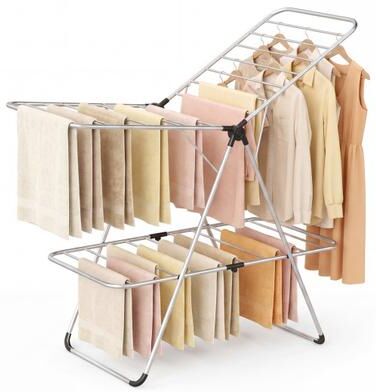
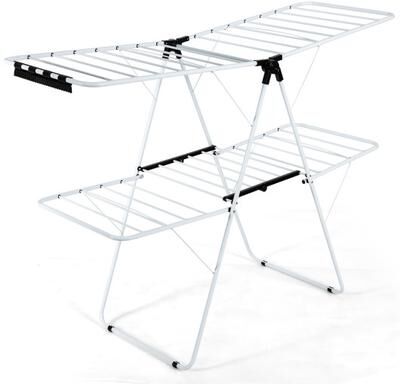
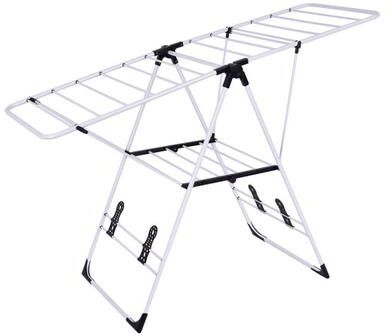
Costway 2-Tier Clothes Drying Rack with 33 Drying Rails and Height Adjustable GullwingsRevolutionize your laundry routine with a clothes drying rack that offers a large 2-tier capacity, including dual 5-level adjustable uppers wings, dual flat wings, a middle shelf, and sock clips.56,99 $*Shipping: 0,00 $Secure redirect to the provider
-
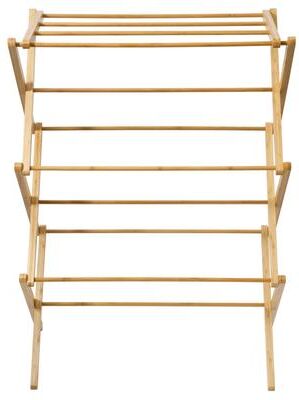
Gibson Home Foldable Bamboo Drying Rack for Clothes & Towels - 2-Tier Collapsible Laundry Drying Rack for Indoor & Outdoor UseThe Riverrun Grove Home Collection from Gibson Home brings the beauty of nature into your home through a curated selection of natural materials.42,49 $*Shipping: 0,00 $Secure redirect to the provider

-
What is more effective for drying laundry?
Using a clothes dryer is generally more effective for drying laundry compared to air drying. A dryer uses heat and airflow to quickly dry clothes, making it a faster option, especially for larger loads or thicker fabrics. However, air drying is more energy-efficient and can help extend the lifespan of your clothes by reducing wear and tear from the heat of a dryer. Ultimately, the most effective method may depend on factors such as time constraints, fabric type, and personal preference. **
-
Why does it squeak when drying laundry?
The squeaking sound when drying laundry is often caused by friction between the fabric and the dryer drum or other items in the load. As the fabric rubs against the drum or other clothes, it can create a squeaking or squealing noise. This friction is more common with certain types of fabric, such as synthetic materials or items with embellishments like sequins or buttons. To reduce the squeaking, try separating items that may be causing the noise or using a fabric softener to reduce friction. **
-
Why is the laundry dusty after drying?
The laundry can become dusty after drying because of the accumulation of lint and dust particles in the dryer. As the laundry tumbles and dries, it can release these particles, which then settle on the clothes. Additionally, if the dryer vent or lint trap is not cleaned regularly, it can lead to a buildup of lint and dust in the dryer, which can then transfer onto the laundry during the drying process. Regular cleaning of the dryer and its components can help reduce the amount of dust and lint transferred onto the laundry. **
-
Can mold growth only occur through drying laundry?
No, mold growth can occur in any damp or humid environment, not just through drying laundry. Mold spores are present in the air and can settle and grow on any surface that is moist and provides organic material for them to feed on. It is important to keep all areas of the home dry and well-ventilated to prevent mold growth, not just when drying laundry. **

Can mold growth only occur from drying laundry?
No, mold growth can occur in various conditions, not just from drying laundry. Mold requires moisture, warmth, and a food source to grow. Therefore, mold can also grow in damp areas of the home, such as bathrooms, basements, and kitchens. It is important to maintain proper ventilation and address any water leaks or excess moisture to prevent mold growth in the home. **
Why does freshly washed laundry smell after drying?
Freshly washed laundry can develop a smell after drying due to a few reasons. One common reason is that the laundry may not have dried completely, leading to a musty or mildew smell. Another reason could be that the washing machine or dryer needs to be cleaned, as built-up residue or bacteria can transfer onto the clothes during the washing process. Additionally, if the laundry is left sitting in the machine or dryer for too long after the cycle has finished, it can develop a stale odor. **
Top-Angebote
Products related to Costway-2-Tier-Laundry-Drying:
-
Costway 2-Tier Clothes Drying Rack with 33 Drying Rails and Height Adjustable GullwingsRevolutionize your laundry routine with a clothes drying rack that offers a large 2-tier capacity, including dual 5-level adjustable uppers wings, dual flat wings, a middle shelf, and sock clips.56,99 $*Shipping: 0,00 $Secure redirect to the provider
-
Is drying laundry a chemical reaction?
Drying laundry is not a chemical reaction. It is a physical process where water molecules in the wet clothes evaporate into the air due to the heat energy from the environment or a dryer. No new substances are formed during the drying process, making it a physical change rather than a chemical reaction. **
-
Does a fan help with drying laundry?
Yes, a fan can help with drying laundry faster. By increasing air circulation around the wet clothes, a fan can help evaporate the moisture more quickly. This can be especially helpful in humid environments where air drying may take longer. Placing a fan near the drying laundry can help speed up the drying process. **
-
What is more effective for drying laundry?
Using a clothes dryer is generally more effective for drying laundry compared to air drying. A dryer uses heat and airflow to quickly dry clothes, making it a faster option, especially for larger loads or thicker fabrics. However, air drying is more energy-efficient and can help extend the lifespan of your clothes by reducing wear and tear from the heat of a dryer. Ultimately, the most effective method may depend on factors such as time constraints, fabric type, and personal preference. **
-
Why does it squeak when drying laundry?
The squeaking sound when drying laundry is often caused by friction between the fabric and the dryer drum or other items in the load. As the fabric rubs against the drum or other clothes, it can create a squeaking or squealing noise. This friction is more common with certain types of fabric, such as synthetic materials or items with embellishments like sequins or buttons. To reduce the squeaking, try separating items that may be causing the noise or using a fabric softener to reduce friction. **
Similar search terms for Costway-2-Tier-Laundry-Drying
-
Gibson Home Foldable Bamboo Drying Rack for Clothes & Towels - 2-Tier Collapsible Laundry Drying Rack for Indoor & Outdoor UseThe Riverrun Grove Home Collection from Gibson Home brings the beauty of nature into your home through a curated selection of natural materials.42,49 $*Shipping: 0,00 $Secure redirect to the provider
-
Why is the laundry dusty after drying?
The laundry can become dusty after drying because of the accumulation of lint and dust particles in the dryer. As the laundry tumbles and dries, it can release these particles, which then settle on the clothes. Additionally, if the dryer vent or lint trap is not cleaned regularly, it can lead to a buildup of lint and dust in the dryer, which can then transfer onto the laundry during the drying process. Regular cleaning of the dryer and its components can help reduce the amount of dust and lint transferred onto the laundry. **
-
Can mold growth only occur through drying laundry?
No, mold growth can occur in any damp or humid environment, not just through drying laundry. Mold spores are present in the air and can settle and grow on any surface that is moist and provides organic material for them to feed on. It is important to keep all areas of the home dry and well-ventilated to prevent mold growth, not just when drying laundry. **
-
Can mold growth only occur from drying laundry?
No, mold growth can occur in various conditions, not just from drying laundry. Mold requires moisture, warmth, and a food source to grow. Therefore, mold can also grow in damp areas of the home, such as bathrooms, basements, and kitchens. It is important to maintain proper ventilation and address any water leaks or excess moisture to prevent mold growth in the home. **
-
Why does freshly washed laundry smell after drying?
Freshly washed laundry can develop a smell after drying due to a few reasons. One common reason is that the laundry may not have dried completely, leading to a musty or mildew smell. Another reason could be that the washing machine or dryer needs to be cleaned, as built-up residue or bacteria can transfer onto the clothes during the washing process. Additionally, if the laundry is left sitting in the machine or dryer for too long after the cycle has finished, it can develop a stale odor. **
* All prices are inclusive of VAT and, if applicable, plus shipping costs. The offer information is based on the details provided by the respective shop and is updated through automated processes. Real-time updates do not occur, so deviations can occur in individual cases. ** Note: Parts of this content were created by AI.